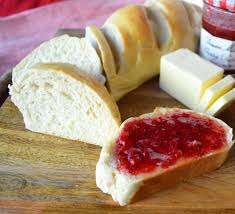
There’s a great scene in “Remember The Titans” where the coach (Denzel Washington) is trying to hype up the team. He says, “what is pain?”, team replies, “french bread!”. He wants to change how the team interprets their pain. He knows the players will experience some pain on the field and is trying to turn it into a positive experience. Maybe enough that they WANT to feel pain. So why would it matter what the team thinks about their pain?
Here’s the scene if you want to check it out
Generally, people believe pain is the body’s way of telling you something is wrong in that part of the body. Research has come along way in our understanding of pain in the last few decades and the research found that it doesn’t really work like that. Pain is actually the brain’s way of telling you it thinks there is a threat to that part of the body based on an analysis of all the information it has. If the brain processes all the information it has at it’s disposal and it concludes that there is enough evidence to BELIEVE your body is in danger, it will result in you experiencing pain. Now this information includes what is going on in your tissues, but it also includes what’s happening in the environment (what you’re seeing, hearing, smelling, feeling, tasting), your past experiences, beliefs, your knowledge, and your culture. In fact, what you think about your pain can actually affect your pain. It can be a vicious cycle. If you get a sudden pain after lifting a heavy box and you start getting worried about it, if you think you tore something, or “slipped a disc” (that’s not a thing by the way), these catastrophizing beliefs about your pain can actually increase your pain. So Denzel is actually changing the way his players interpret their pain which can minimize their painful experience. If the players learn to ignore their pain or even see it as a positive experience and want their pain, they’ll keep playing longer and be able to win. (I’m not saying I agree with the approach but that the approach makes sense)
My mom is a lot like Denzel in that they both understand pain a little better than most people and they’re both beautiful and perfect people. When I was learning how to ride a bike as a kid, I remember falling off my bike and scraping my knee. My mom would casually walk over to me and check my knee out. She would say it’s only a scratch and start laughing. Then I would start laughing and I’d get back to riding. Of course, I did feel some pain, and maybe I was limping for a little but it got better and better, day after day until it was gone. So what would happen if my mom ran over to me screaming and panicking when I fell over? What if she stopped me from riding my bike that day and drowned my body in hydrogen peroxide and put a cast around my knee? How would that affect my pain? It’s ok to protect an injured body part but being overprotective is a sure fire way of prolonging and increasing the painful experience.
You might ask, if pain is entirely produced by the brain, why do I feel pain if I fall and bang my knee? Or if I get punched? Great question! Your tissues have danger messengers (we call them nociceptors in the biz) that innervate them. These are specialized nerves that are activated by mechanical (pressure or stretching), temperature (too hot or too cold), and chemical changes (like the swelling and inflammation that comes after an injury) with a higher intensity. For example, the difference between someone lightly jabbing you and someone punching you hard is the difference between regular pressure (mechanical) nerves in your body being activated and specialized danger messengers in your body being activated. There is a difference in intensity and force between you getting lightly jabbed and getting punched hard. Both of these end in nerves being activated in your body, but your brain is able to tell the difference because different types of nerves are being activated. When these nerves get activated, they send impulses to the spinal cord and then to the brain for interpretation. This is just one piece of information for the brain to analyze in determining whether or not there is a potential threat you need to address.
It’s important to understand that these are not “pain” messages. The brain can receive information from these danger messengers without it resulting in you feeling pain. Have you ever noticed a bruise on your arm or notice a cut somewhere but don’t remember getting it? That’s an example of these danger messengers being activated since there was obvious tissue damage but the brain determined it wasn’t a big enough threat to make you feel pain and protect that area, so you never even felt the “injury” that gave you that bruise or mild cut.
Pain is a complex, sophisticated system that helps keep you alive! We need it! But why does all of this matter? With all this new information, we now know in order to decrease pain, we need to decrease the perceived threat to the person and not necessarily “heal” someone’s body. There’s a big difference.


[…] is the result of your brain deciding you’re in danger (What is pain? French Bread!) It is an interpretation of what’s going on. It’s a best guess. If I am in pain, it does not […]
LikeLike
[…] Now it’s possible that cold weather can actually increase your pain. Since we know what pain is, we know that we have specific danger messengers (nociceptors in the biz) that become activated by […]
LikeLike
[…] that picking up that box will lead to my brain trying to protect me and make me experience pain (what is pain?), It’s POSSIBLE to feel pain since there are A LOT of reasons you can experience pain, but […]
LikeLike
[…] releases adrenaline and cortisol and these chemicals can directly increase the sensitivity of the danger messengers in your nervous system. That means that you have extra straws on the camel ‘s back that […]
LikeLike